
AH88: Revolutionizing Online Gaming in a Digital Era
AH88 is transforming the online gaming landscape with its innovative platform and engaging content, setting new standards in the gaming community.


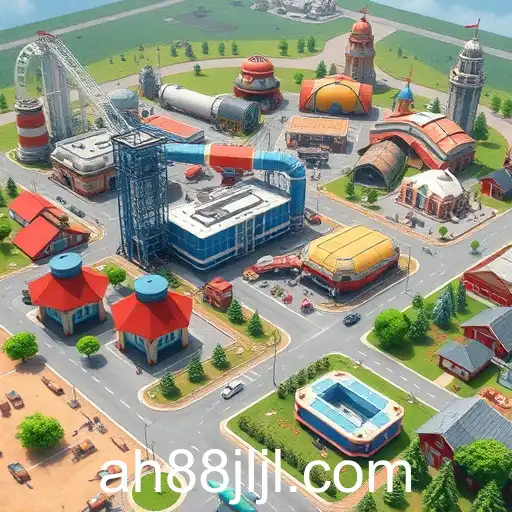
Simulation games have long been a staple in the gaming world, offering players a chance to immerse themselves in virtual environments that mimic real-life activities. With intricate mechanics and detailed graphics, these games create a space where players can assume various roles, be it managing a farm, city-building, flying an aircraft, or even simulating life itself. The genre has evolved significantly over the years, expanding far beyond its humble beginnings.
Popularized in the late 1980s with the release of games like 'SimCity,' the simulation genre continues to capture the imagination of gamers across the globe. These games are often categorized into numerous sub-genres, including economic simulations, life simulations, vehicle simulations, and more. Each offers a unique way for players to experience activities and challenges they may never encounter in the real world.
A crucial aspect of simulation games is their ability to educate while entertaining. For example, flight simulators are used to train pilots by offering realistic cockpit environments and flight dynamics. Similarly, city-building games teach resource management and strategic planning as players work to maintain and develop thriving urban areas.
With the advancement of technology, simulation games have become more immersive. Virtual reality (VR) and augmented reality (AR) have introduced players to a new level of interaction, making them feel genuinely present in the game world. Whether they're steering a Formula 1 car or managing a bustling hospital, VR brings these experiences to life like never before.
Social integration has also become a significant factor in recent simulation games. Titles that allow for multiplayer interactions enable players to collaborate or compete, adding another layer of complexity and enjoyment. This social aspect encourages communities to form around shared interests and collaborative goals.
Games like 'The Sims' franchise have become cultural phenomena, not only due to their engaging gameplay but also their ability to allow players to experiment with different lifestyles and personal narratives. This element of storytelling and creation is what keeps players coming back, eager to test the boundaries of their imagination.
Overall, simulation games offer more than just entertainment. They are a powerful tool for learning, creativity, and connectivity, drawing players into worlds where they can experiment, innovate, and explore at their own pace.
If you're looking for a reliable, fully licensed, and secure sportsbook with a wide selection of games, ah88 is the perfect choice. We're committed to providing you with the best online betting experience, with premium quality, excellent service, and continuous innovation. Sign up now and receive ₱777 for free!
Join now
Get the latest information, experience and betting strategies from the expert team at ah88.
AH88 is transforming the online gaming landscape with its innovative platform and engaging content, setting new standards in the gaming community.

Exploring the dynamic world of online gaming in 2025, with a spotlight on the website 'ah88'.

Exploring the impact and growth of 'ah88' as a leading keyword in the online gaming sector.

Exploring the growth and impact of AH88 within the online gaming industry.

Exploring the growth of the online gaming industry with platforms like 'ah88' leading the way in 2025.

Exploring the transformation and impact of online gaming platforms in 2025.
 Join now